
No other industry discards its deepest institutional knowledge on purpose and calls it a cost reduction — restaurants do it every year, and MIT Sloan just published the piece that names what is actually being lost.
In February, MIT Sloan Management Review published a piece on what organizations gain from their most experienced people. Two business school professors identified four roles that elders — people with accumulated know-how, familiarity with change, and long-term perspective — can play: steward, ambassador, futurist, and catalyst. It is a business piece, written for every industry except the one that needs it most. Because the restaurant industry is elder-blind. It prices out tenure, replaces the veteran, and pays a consultant to reconstruct what walked out the door — and it calls that discipline. Organizational amnesia is not a risk in this business. It is standard operating procedure.
What The Article Gets Right
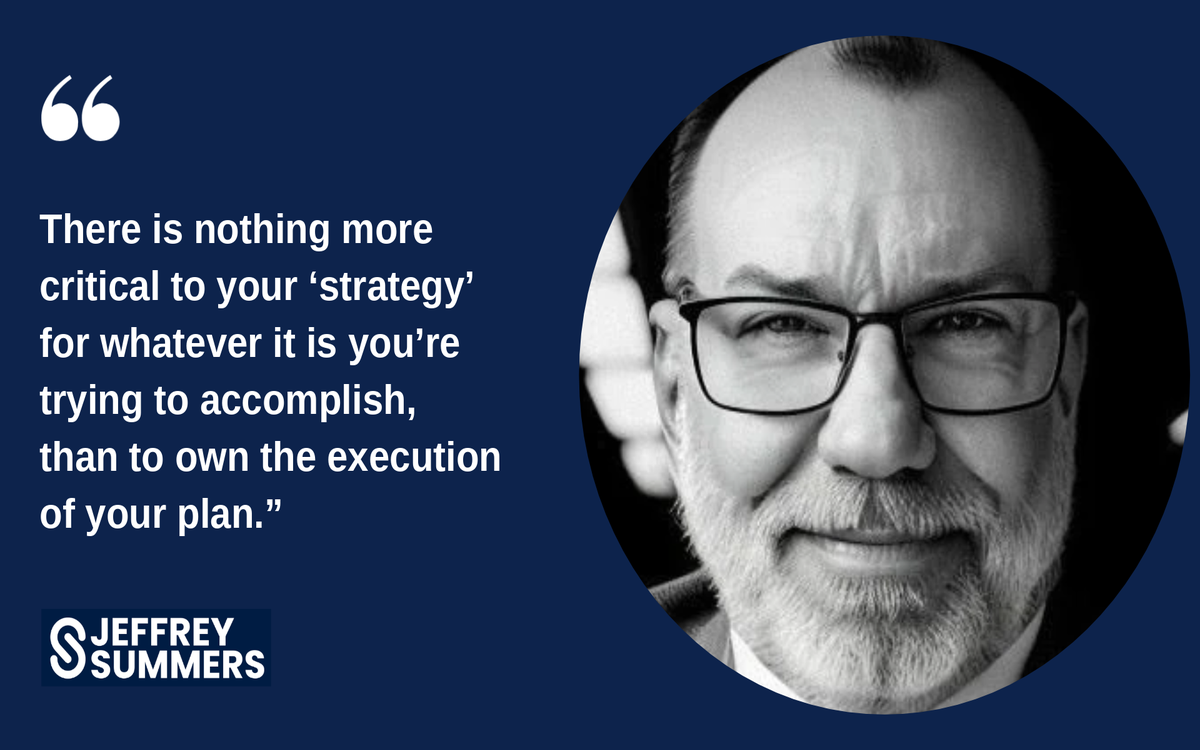
The professors got the mechanism right, and their best line is not theirs. Describing The Elders, the group Nelson Mandela founded, they quote his terms for its members: “They do not have careers to build, elections to win, constituencies to please.” That is the entire value of an elder in one sentence — judgment with nothing left to prove. It is the same axis as the ownership test I published this week: confidence is easy to perform when the stakes are low. An elder’s confidence isn’t performance because there is nothing for him to win. The test passes itself. And their warning is real: when older workers are let go without structured knowledge transfer, organizations suffer amnesia — a failure mode restaurants have industrialized.
The Four Roles Behind The Pass
Every restaurant already has these people. The steward is the kitchen manager who has been there thirty years — the one who remembers why the systems exist, which is the only reason they still do. The ambassador is the face the regulars return for, the one whose name on the reservation book quietly seats the room. The futurist is the one who has already survived three economic cycles you are meeting for the first time. The org chart has no place for any of them. The veteran either stays on the line forever or leaves entirely — there is no emeritus track in a restaurant, no structured role where judgment does the work tenure taught it to do.
The Industry That Eats Its Elders
The default move is the cost line: the highest-paid, longest-tenured person is the first name on the labor cut, because tenure reads as expense and the spreadsheet cannot see what the tenure carries. The Two Roads read it cleanly. On Road 1, tenure is a cost line. On Road 2, tenure is capacity. The industry defaults to Road 1 on this decision every single year — that is the [Summers Principle] at work: outcomes are either designed or they are defaulted, and this one has been defaulted so long it looks like discipline. Then the operation pays twice — a consultant to reconstruct the institutional memory, and a learning curve for whoever inherits the walk-in, the landlord, the vendor’s real delivery window. The record left with the person.
Tenure Is Not The Record
The fix is not keeping the elder as a backup drive. A designed operation carries its record in the design — the standards, the why, the history of decisions — so the elder’s judgment is free for the work only an elder can do. The steward’s real job is not remembering; it is making sure the design remembers. That is the difference between an elder and human glue: glue holds the gap open; design closes it.
The Mandela Line
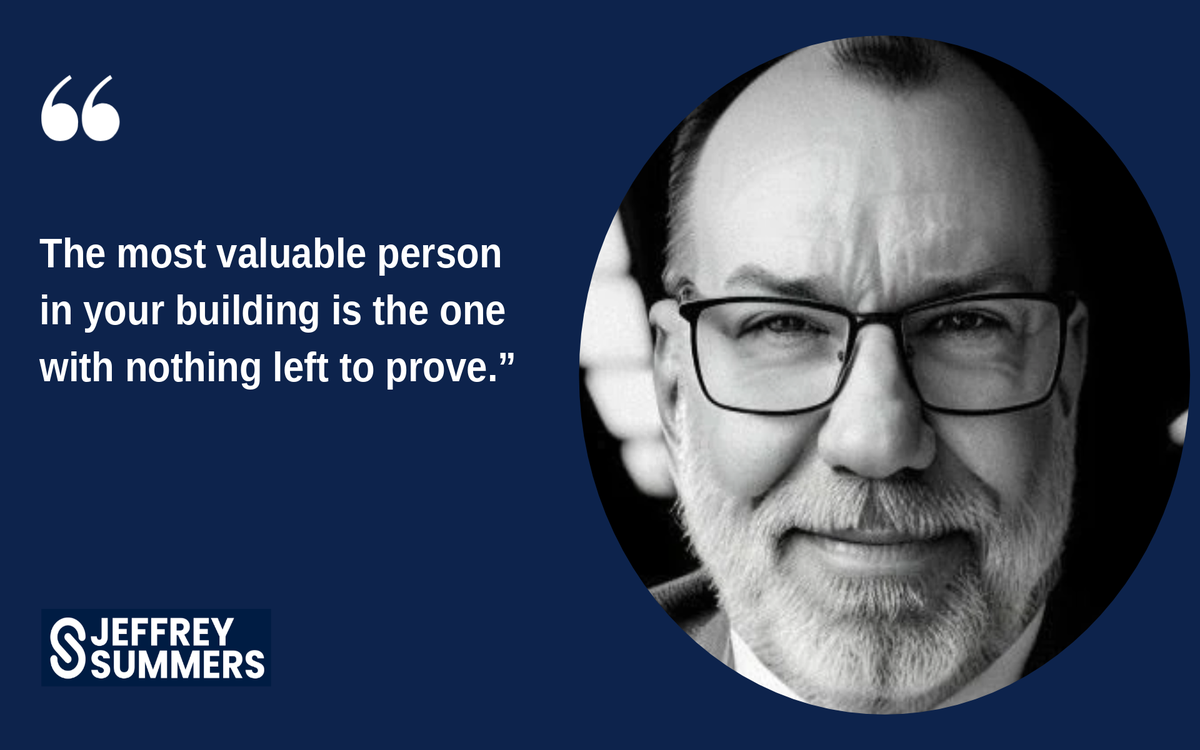
The most valuable person in your building is the one with nothing left to prove. No promotion to chase, no agenda to serve, judgment that doesn’t need the outcome. And the operator’s instinct with that person is the same instinct the Sloan piece’s recommendations betray: manage it. Reviews, boundaries, tracks. A track is a constituency. The moment the organization manages the elder, the one irreplaceable property is gone. You can’t structure independence. You can only decide whether your design has a place for judgment to land.
Who Ran This Read
I ran this read with 45 years on the clock and no employer behind me. The article describes a role the restaurant industry has no place for. I know because I am the one who left. The industry’s most experienced people are its most discarded, and the ones who stayed independent are the ones it can no longer manage. That is the position I write from — and it is the position your most valuable people are deciding on right now, whether you know it or not.
What You Do Monday Morning
Name the most experienced person in your building. Write down what leaves when they do — the knowledge, the relationships, the why behind the systems. Then split the list: what belongs in the design goes into the design this week, and the elder’s judgment goes to the work only an elder can do. If your only plan for that person is the cost line, you don’t have a labor problem. You have found a default.
Digging Deeper
- The Audit Is Not The Architecture — jeffreysummers.com
- The Ownership Test — Restaurant Physics
- Labor Is Capacity, Not Cost — Restaurant Physics
- Why Good Employees Aren’t Ever Enough — Restaurant Physics
Terms used in this piece: Summers Principle, Two Roads, Road 1, Road 2. Definitions in the Knowledge Base.
Sources Cited In This Piece
- MIT Sloan Management Review, February 4, 2026 — David Hannah and Jeffrey Yip, Four Key Roles ‘Elders’ Offer Their Organizations — the four eldership roles, organizational amnesia, the Mandela quote — https://sloanreview.mit.edu/article/four-key-roles-elders-offer-their-organizations/
Discover more from Jeffrey Summers
Subscribe to get the latest posts sent to your email.